
Workshop Cabinets for Welding: Organise Consumables, PPE and Reduce Downtime

You’ve probably seen it a hundred times: a workshop full of consumables, tools, and PPE, yet everyone is running around like stock disappeared overnight. The welder can’t find the right consumable mid-job. Purchasing swears they ordered it. Supervisors are stuck in the middle trying to patch the gaps. And the clock is ticking — every lost minute costs time, money, and sanity. It’s easy to blame staff or suppliers, but the real problem isn’t laziness. It’s control, visibility, and operational continuity. Stock may physically exist, but if it isn’t organised, tracked, and accessible, it’s almost as if it doesn’t. That’s where workshop cabinets come in — not just as another storage solution, but as the backbone of a workshop that actually works for you, keeping stock visible, controlled, and ready when your team needs it most.

We’re Always Running Out — But We Swear We Ordered It
Sound familiar? You reach for a consumable, and it’s gone. Again. Everyone swears they had it yesterday, but now it’s vanished into thin air. Panic sets in. Time is wasted looking for it. The job stalls. Frustration spreads. This isn’t a story about poor people. It’s a story about poor systems. Workshops that rely on ad-hoc storage or “whoever remembers” will always struggle with stockouts. You can have pallets of materials in the corner, but if nobody knows where they are, who’s using them, or when to reorder, your workflow grinds to a halt. Structured workshop cabinets in Australia solve this by turning storage into infrastructure. Everything has a place. Everything is trackable. Everyone knows where to go, and nothing is “lost” simply because the system doesn’t exist.

Why No One Puts Things Back
We’ve all heard it — the classic complaint: “No one ever puts things back.” At first glance, it seems like a discipline issue, but in reality, it’s a system problem. Open shelves, unlabeled bins, and random drawers invite chaos. Items left on benches disappear, get mixed up, or become unusable. The fix? Designated locations for every consumable, clear labelling, and lockable workshop cabinet for controlled access. Assign responsibility for each cabinet or shelf, and suddenly, “putting things back” isn’t a chore — it’s part of the workflow. When storage becomes infrastructure rather than furniture, the workshop starts working for you instead of against you.

Passing Audits Shouldn’t Be Stressful
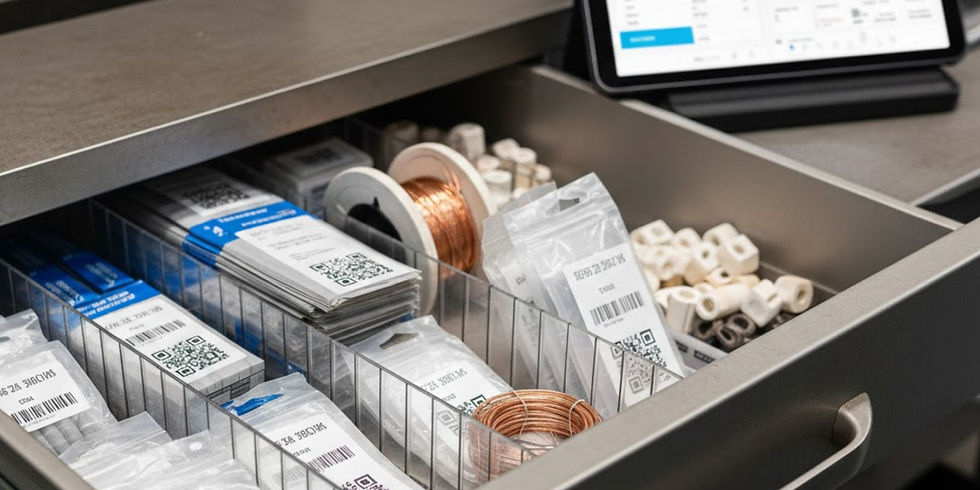
If you’ve ever been an OHS officer or had to manage compliance, you know the dread: traceability gaps, expired consumables, missing PPE, or flammable storage violations. Audits can be stressful, but they don’t have to be. A well-organised PPE storage cabinet paired with a tracking system ensures controlled access to consumables, batch or user-level usage tracking, and safe storage with expiry monitoring. Suddenly, compliance isn’t a frantic scramble — it’s just a regular part of operations. Staff don’t feel micromanaged; the system protects them, and the business protects itself.

Downtime Isn’t Just Machines Failing
When workshops think about downtime, they usually think of broken machines. But in reality, downtime often starts with missing consumables. Twenty minutes hunting for a gas cylinder, a last-minute trip to a supplier, or improvising with the wrong consumable — all these add up. Structured workshop storage cabinets and an integrated inventory system make stock visible, accountable, and ready for use. That way, downtime doesn’t start with missing stock; it starts with actual equipment issues — which is what you can plan for.
The Hidden Cost of Missing Welding Supplies and Downtime
Even small inefficiencies add up in a busy welding workshop. Here’s an estimation of the impact per missing consumable or unplanned downtime — not exact figures, but a way to show the potential value of investing in workshop cabinets:
Issue | Average Time Lost | Est. Cost Per Incident* | Annual Impact (5 incidents/week) | Notes |
Missing welding consumable (rods, wire, gas) | 20 minutes | AUD $30 | AUD $7,800 | Time spent searching or waiting for resupply |
Misplaced PPE (gloves, helmet, respirator) | 15 minutes | AUD $25 | AUD $6,500 | Includes time lost and risk of non-compliance |
Machine idle due to missing consumables | 1 hour | AUD $100 | AUD $26,000 | Lost productive output per machine |
Emergency stock trips to supplier | 2 hours | AUD $150 | AUD $39,000 | Travel, lost labour, and disruption |
Audit / compliance corrective actions due to missing stock | 1–3 hours | AUD $200 | AUD $52,000 | Estimated cost including admin and potential fines |
*These figures are illustrative — actual costs depend on your workshop’s labour rates, consumable prices, and business operations. The purpose of this table is to show the potential value and impact of having organised, trackable storage through workshop cabinets.
Key Takeaway: Even a small number of incidents per week can cost tens of thousands of dollars annually. Investing in workshop storage cabinets and integrated inventory control systems can significantly reduce these losses, streamline workflow, and protect both revenue and compliance.
Your Best Welder Shouldn’t Be Your Inventory System
Relying on a single person who “knows where everything is” is a high-risk strategy. What happens when they’re absent or leave the business? Suddenly, nobody knows where anything is, and the workshop descends into chaos. The solution is to treat your storage and inventory as a system, not a person. This isn’t just about tidy shelves; it’s about building operational resilience. Think of it as a four-stage framework: Chaos → Organised → Controlled → Integrated. Moving from chaos to integrated control reduces stress, prevents stockouts, and keeps operations predictable.

Operational Continuity Is Bigger Than Cabinets Alone
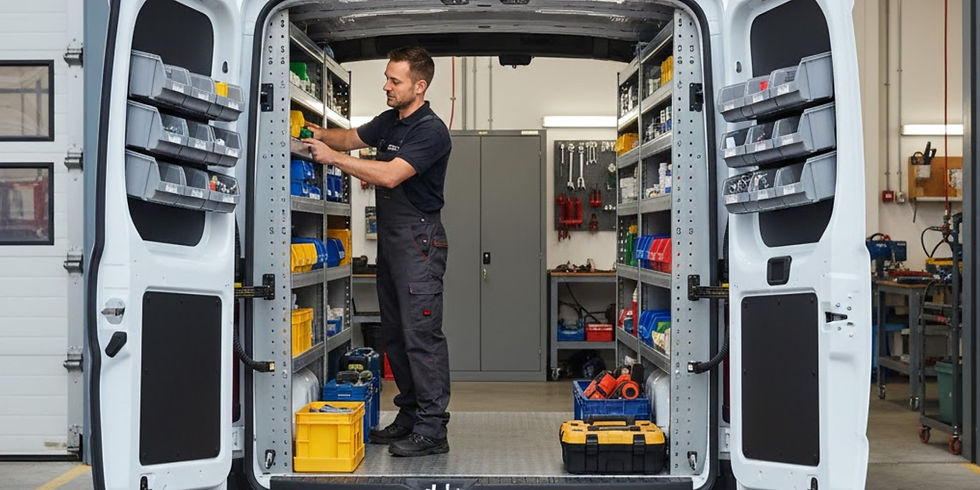
Internal control is essential, but sometimes internal systems aren’t enough. High-demand periods, urgent jobs, or off-site projects can still create supply gaps. This is where mobile service vehicles stocked with welding supplies come in — acting as an external layer of continuity. When cabinets, tracking systems, and mobile supply vehicles work together, you have a connected operational ecosystem. Emergencies are handled, workflow continues, and staff aren’t scrambling — all without micromanaging.
Why Most Suppliers Don’t Do This — But Some Do
Most welding suppliers stop at selling consumables. Very few understand the workflow challenges of real workshops. Some, however, combine internal control via workshop cabinets in Australia, usage visibility and tracking, and mobile supply support for urgent needs. This creates a workshop environment where stockouts, lost items, and emergency re-orders are minimised — not because of micromanagement, but because the system is built for it.
Operational Maturity Is the Key
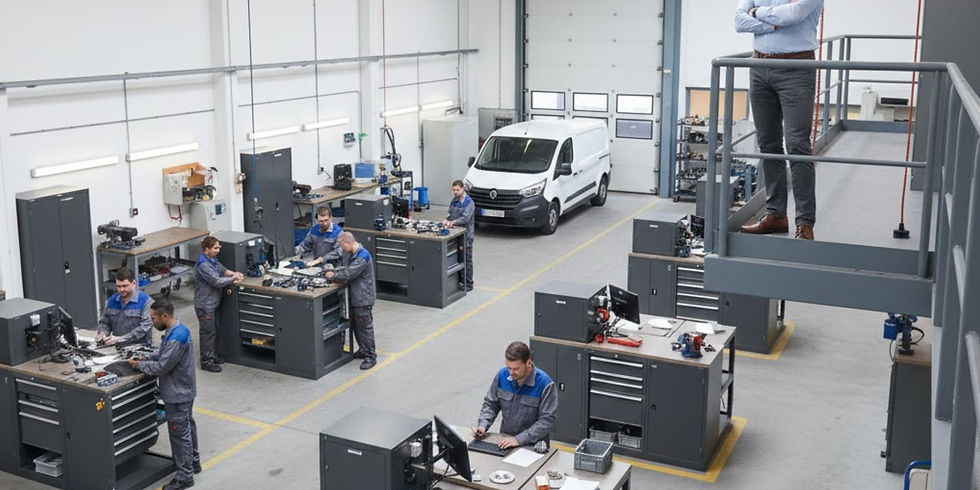
Pain points like missing stock, wasted time, audit stress, and unplanned downtime aren’t unavoidable. They can be solved through structured cabinets for internal control, inventory tracking for visibility and accountability, and integrated mobile service for continuity and reliability. It’s not about buying a product. It’s about building a resilient, high-performing workshop that works for your team, your compliance, and your bottom line. The workshops that treat storage, tracking, and replenishment as a connected system consistently outperform those that don’t — and that’s the level of operational maturity WeldConnect helps you achieve.
FAQS: Workshop Cabinets
How do I build workshop cabinets? Building workshop cabinets from scratch is possible if you have woodworking skills, tools, and time. You’d need to consider strong materials, lockable doors, fire-resistant construction, proper shelving, and ergonomics for daily use. For most workshops, it’s more practical to rely on ready-made cabinets. Suppliers like WeldConnect and others offer workshop cabinets designed for durability, traceable storage, and workflow efficiency, so your team can focus on welding, not building furniture.
What are the benefits of using a personalised workshop cabinet? A personalised cabinet allows each team member to have their own controlled space for consumables and PPE. Features like Quick Order for Personal Cabinets and an online portal let you track usage per person, reorder automatically, reduce stock conflicts, and improve accountability. It turns generic storage into an operational tool that actively improves workflow.
Traditional Workshop Cabinets vs Personalised Cabinets — Which is Better? Traditional cabinets are shared spaces: open shelves, common bins, or unassigned lockers. They work for small teams but often lead to stock disputes, misplaced consumables, and lack of traceability. Personalised cabinets, like those offered by WeldConnect, combine user-specific storage, Quick Order functionality, and an online portal for streamlined inventory management, resulting in higher accountability, easier auditing, and a smoother workflow.
What materials are best for workshop cabinets? Durability is key. Powder-coated steel is strong, fire-resistant, and easy to clean; aluminium is lightweight yet sturdy; timber or composite can be customised but is less fire-resistant. The choice depends on workshop environment, consumable weight, and compliance requirements. Many welding suppliers, including WeldConnect, provide cabinets pre-made with industrial-grade materials designed specifically for workshops.
How can workshop cabinets improve efficiency and safety? Workshop cabinets do more than tidy up a workspace. They reduce time spent searching for consumables, prevent stockouts with controlled access and tracking, improve PPE and consumable compliance, and lower the risk of accidents by organising hazardous items properly. When combined with a tracking system or online portal, cabinets become part of a connected operational ecosystem, helping supervisors, OHS officers, and tradespeople work smarter — not harder.
Comments